
Quick Answer :
Baby girl names that start with E include timeless favorites like Emma, Emily, and Elizabeth, along with beautiful international choices such as Elena, Eliana, Esme, and Eira. These names come from different languages and naming traditions, offering a variety of meanings, origins, and pronunciations to explore. Whether you prefer a classic, short, elegant, or nature-inspired name, this guide will help you discover meaningful E names for your baby girl.
Choosing the perfect name for your baby girl is a special journey, and baby girl names that start with E offer plenty of beautiful options. From timeless favorites like Emma and Elizabeth to distinctive choices such as Eira, Eliana, and Evangeline, these names reflect a variety of languages, cultures, and naming traditions.
In this guide, you’ll discover girl names that start with E, along with their meanings, origins, pronunciations, and unique characteristics. Whether you’re looking for a classic name, a short and sweet choice, an international favorite, or a nature-inspired option, you’ll find ideas to help narrow your list. Explore the different styles and histories to find a name that feels meaningful to your family.
Baby Girl Names That Start With E: Meanings and Origins
The following names provide a starting point for exploring E names. Their meanings are tied to the linguistic traditions in which the names developed.
| Name | Meaning or etymology | Origin or language |
|---|---|---|
| Eleanor | Origin uncertain; the name developed through medieval European forms | English, French |
| Elena | Form of Helen, traditionally associated with brightness or light | Greek, Spanish, Italian |
| Eliana | Has several possible derivations, including Hebrew related and Romance language forms | Multiple traditions |
| Elise | French form of Elisabeth, ultimately from Hebrew Elisheva | French, Hebrew |
| Elizabeth | Traditionally interpreted as “my God is an oath” | Hebrew |
| Ella | Used as an independent name and as a short form of several names | English, Germanic |
| Eloise | French and English form related to Héloïse; etymology is debated | French, Germanic |
| Elsa | Short form of Elisabeth | German, Scandinavian |
| Emma | From Germanic elements associated with “whole” or “universal” | Germanic |
| Emily | English form related to the Latin name Aemilia; traditional meaning is associated with “rival” | Latin, English |
| Esme | From Old French esmé, meaning “esteemed” or “loved” | French |
| Esther | Biblical name with a debated origin, often associated with a Persian word for “star” | Persian, Hebrew tradition |
| Eva | Form of Eve, associated with the Hebrew root for “life” | Hebrew, European languages |
| Evelyn | Developed from an English surname related to the name Aveline; its older meaning is debated | English |
| Evangeline | Derived from Greek elements meaning “good news” | Greek |
Source attribution: Behind the Name, relevant entries for name forms and etymology. Multiple origin and disputed names require interpretation in their specific linguistic contexts.
Classic Baby Girl Names That Start With E
Classic names have long histories of use and may be connected with literature, religious traditions, or established naming customs. The examples below have documented historical use.
| Name | Meaning or etymology | Origin |
|---|---|---|
| Edith | From Old English elements associated with “wealth” and “war” | Old English |
| Eleanor | Medieval European name with uncertain ultimate origin | French, English |
| Elizabeth | Traditionally interpreted as “my God is an oath” | Hebrew |
| Ellen | English form related to Helen | English, Greek |
| Emma | Germanic name associated with “whole” or “universal” | Germanic |
| Emily | English form of Aemilia | Latin, English |
| Esther | Biblical name with a debated etymology | Persian, Hebrew tradition |
| Eugenia | Feminine form of Eugene, from Greek elements meaning “well born” | Greek |
| Eva | Form of Eve, associated with “life” | Hebrew |
| Eve | Biblical name associated with the Hebrew root for “life” | Hebrew |
These names have different histories, even when they are familiar in the same country. For example, Edith comes from Old English, while Elizabeth has a Hebrew origin and a long history of use in many European languages.
Elegant and Established E Names for Girls

The word “elegant” is a subjective style description, not a factual category. These editorial selections have established histories and recognizable forms.
- Elena: A form of Helen used in several European languages.
- Eliana: A feminine name with multiple possible origins and interpretations.
- Elise: A French form of Elisabeth.
- Eloise: A French and English name with a debated etymology.
- Emilia: A feminine form related to the Latin name Aemilius.
- Emmeline: A feminine name related to Germanic name elements and historical French forms.
- Esme: From Old French, associated with “esteemed” or “loved.”
- Estelle: A French name derived from a word meaning “star.”
- Estella: A related form of Estelle.
- Evangeline: A Greek derived name meaning “good news.”
These choices vary in length, pronunciation, and cultural history. A name’s style impression should be considered separately from its documented meaning.
Short Baby Girl Names That Start With E
For this section, “short” means a displayed name with four letters or fewer. These names can be independent given names or established short forms.
| Name | Meaning or etymology | Origin |
|---|---|---|
| Eda | A form related to Edith in some naming traditions | English, German |
| Edie | Established short form of Edith | English |
| Eira | Welsh name meaning “snow” | Welsh |
| Eila | Used in Finnish and other traditions; meaning depends on the source language | Multiple traditions |
| Ela | Used in several languages; origin and meaning vary | Multiple traditions |
| Elle | French word for “she”; also used as a given name | French |
| Elsa | Short form of Elisabeth | German, Scandinavian |
| Emma | Germanic name associated with “whole” or “universal” | Germanic |
| Enid | Welsh name with an uncertain or debated meaning | Welsh |
| Erin | Anglicized form of Éireann, associated with Ireland | Irish |
| Esme | Old French name associated with “esteemed” or “loved” | French |
| Eve | Biblical name associated with “life” | Hebrew |
| Eva | Form of Eve | Hebrew, European languages |
Short names can still have complex histories. For example, Eila has different uses across languages, so its meaning should not be assigned without identifying the intended tradition.
International Baby Girl Names That Start With E
E names are used in many languages. The following examples illustrate how names can be adapted or developed within specific naming traditions.
| Name | Language or tradition | Meaning or background |
|---|---|---|
| Elena | Spanish, Italian, Greek | Form related to Helen |
| Eleni | Greek | Greek form of Helen |
| Elisa | Italian, Spanish, and other European languages | Form of Elisabeth |
| Elise | French | Form of Elisabeth |
| Emilia | Italian, Spanish, and other languages | Feminine form related to Aemilius |
| Émilie | French | French form of Emily |
| Esmeralda | Spanish, Portuguese | Derived from a word meaning “emerald” |
| Estelle | French | Derived from a word meaning “star” |
| Estrella | Spanish | Spanish word for “star,” also used as a given name |
| Ewa | Polish | Form of Eva |
| Evi | Greek and other European usage | Form or short form related to Eva |
| Ekaterina | Russian and other Slavic usage | Form related to Katherine |
| Esha | Sanskrit derived naming traditions | Meaning and usage should be checked in the relevant language |
| Eshani | Sanskrit derived naming traditions | Used as a feminine given name; interpretations vary by source |
Source attribution: Behind the Name for European forms; language specific references are needed for Sanskrit derived names.
International names should not be treated as interchangeable simply because their English spellings look similar. The original language and pronunciation can affect both their meaning and cultural context.
Baby Girl Names That Start With E and Their Meanings

Meaning can be an important part of a name’s appeal. The following names have documented meanings or etymological explanations.
- Eira: “Snow” in Welsh.
- Elena: A form of Helen, traditionally associated with brightness or light.
- Elizabeth: Traditionally interpreted as “my God is an oath.”
- Ella: Has multiple uses and origins; a single universal meaning is not appropriate.
- Emma: Associated with Germanic elements meaning “whole” or “universal.”
- Esme: From Old French esmé, “esteemed” or “loved.”
- Estelle: Derived from a word meaning “star.”
- Esther: Often associated with “star,” although its etymology is debated.
- Eva: Associated with the Hebrew root for “life.”
- Evangeline: Derived from Greek elements meaning “good news.”
A name’s historical meaning may differ from a modern interpretation. If a name has more than one documented origin, the intended language should be identified before presenting a meaning as definitive.
Baby Girl Names That Start With E With Hebrew Origins

Hebrew derived names have a long history of use in Jewish, Christian, and other naming traditions. Their use in a religious community does not necessarily mean that every form originated in a religious text.
- Elizabeth: Traditionally interpreted as “my God is an oath.”
- Eliana: In some traditions, interpreted as “my God has answered”; other derivations are possible.
- Elisheva: Hebrew name traditionally interpreted as “my God is an oath.”
- Eve: Biblical name associated with the Hebrew root for “life.”
- Eva: A form of Eve used in many languages.
- Esther: Biblical name with a debated etymology and a commonly cited Persian association.
- Eden: Hebrew word name associated with delight or a place of pleasure.
- Eliora: Hebrew derived feminine name often interpreted as “my God is my light.”
These names have different linguistic and religious histories. Families interested in a particular scriptural or cultural connection should verify the original form and its appearance in the relevant tradition.
Baby Girl Names That Start With E From European Traditions

European naming traditions include names derived from Germanic, Greek, Latin, French, Welsh, and other languages.
- Eleanor: Medieval European name with uncertain ultimate origin.
- Eleanor: has related forms such as Elinor, though the spellings should be treated as distinct variants.
- Eleanor: is used in English and other European language contexts.
- Eloise: French and English form related to Héloïse.
- Emilia: Feminine form related to the Latin name Aemilius.
- Erin: Anglicized form of Éireann, associated with Ireland.
- Eira: Welsh name meaning “snow.”
- Estelle: French name derived from a word meaning “star.”
- Eugenia: Greek derived name meaning “well born.”
- Eulalia: Greek derived name associated with “well spoken.”
- Evelyn: English name developed from a surname and older personal name forms.
The language label describes a name’s linguistic history, not necessarily the nationality or culture of every person who uses it today.
Nature Inspired Baby Girl Names That Start With E

Nature inspired names may come from words for plants, landscapes, seasons, or natural phenomena. The following examples have clear word name or linguistic connections.
- Eira: Welsh for “snow.”
- Eden: Hebrew word name associated with delight and the biblical garden.
- Eglantine: A name associated with the sweetbriar rose.
- Elm: English word name referring to the tree.
- Emerald: English gemstone name, derived from a word for the green gemstone.
- Estelle: Derived from a word meaning “star.”
- Estrella: Spanish word for “star,” also used as a given name.
- Evening: English word name referring to the time of day; contemporary use should be distinguished from established historical naming traditions.
Nature associations should be based on the word’s documented meaning. A name should not be assigned a plant, flower, or celestial meaning simply because it sounds similar to a nature related word.
Baby Girl Names That Start With E With Different Spellings
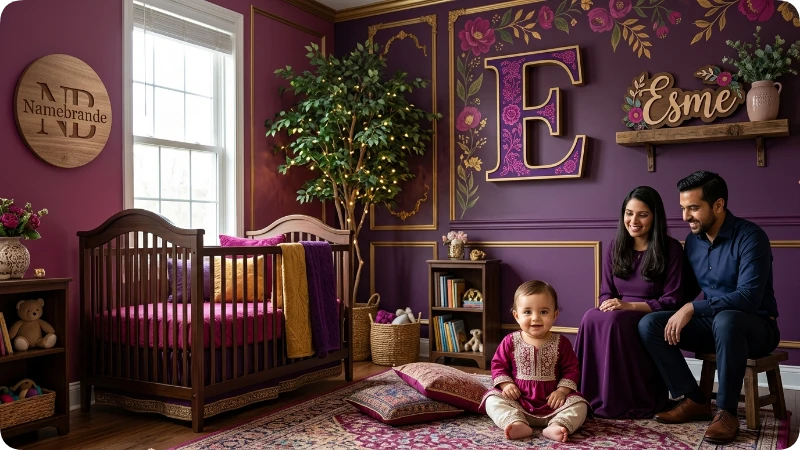
Some names have established spelling variants or forms in different languages. Understanding the relationship between these forms can help families choose the spelling that best reflects their intended tradition.
- Elisabeth and Elizabeth: Related forms of the same Hebrew derived name, with different language conventions.
- Elise and Elisa: Related forms of Elisabeth used in different European languages.
- Emilia and Emily: Related through the Latin name Aemilius, but they have distinct language histories.
- Eve and Eva: Related forms associated with the Hebrew root for “life.”
- Estelle and Estella: Related forms derived from a word meaning “star.”
- Eleanor and Elinor: Related historical spellings, with the precise development of Eleanor debated.
- Émilie and Emily: French and English forms related to Aemilia.
A spelling variant can carry its own cultural or regional significance. Choose the form that matches the pronunciation and naming tradition you intend.
How to Pronounce Baby Girl Names That Start With E

Pronunciation can differ between languages and regions. The following examples provide approximate English language guidance where useful.
- Eira: Commonly pronounced AY rah in Welsh.
- Elena: Pronunciation varies; Spanish and Italian readings differ from some English pronunciations.
- Eleni: Commonly pronounced eh LEH nee in Greek.
- Elise: Commonly pronounced eh LEES in English and French influenced contexts, with regional variation.
- Eloise: Commonly pronounced EL oh eez in English.
- Esme: Commonly pronounced EZ may or EZ mee, depending on language and usage.
- Evangeline: Commonly pronounced eh VAN juh leen in English.
- Ewa: Commonly pronounced EH vah in Polish.
English respellings are approximate and cannot represent every sound in another language. If a name has a cultural or family connection, confirm the pronunciation with a reliable language specific reference or speaker.
Common Mistakes to Avoid When Choosing an E Name
A name’s spelling, meaning, and cultural history should be checked before it is selected. These common mistakes can lead to misleading descriptions.
- Treating one meaning as universal: Names such as Ella, Eliana, and Evelyn have multiple possible histories.
- Confusing a name’s origin with its current usage: A Hebrew derived name may be widely used in English, Spanish, or other languages.
- Assuming a name is popular without data: A name’s appearance on a baby name website does not establish its ranking in a particular country.
- Using a disputed etymology as fact: Esther, Eleanor, and other names have uncertain or debated origins.
- Confusing spelling variants: Elise, Elisa, Elisabeth, and Elizabeth are related forms, but their language conventions differ.
- Assuming religious use proves scriptural origin: A name’s history in a religious community is not the same as its appearance in a primary religious text.
- Ignoring pronunciation: A name that looks familiar in English may be pronounced differently in its source language.
Checking these details helps parents make a choice based on a name’s actual history rather than an oversimplified description.
FAQs
What are some baby girl names that start with E?
Examples include Emma, Emily, Elizabeth, Elena, Elise, Eleanor, Eva, Esme, and Evangeline. These names have different origins and histories, so compare their individual meanings and language forms.
What does the name Elena mean?
Elena is a form of Helen used in several languages. Helen is traditionally associated with brightness or light, although the ultimate etymology is debated.
Is Eira a Welsh name?
Yes. Eira is a Welsh feminine name meaning “snow.”
What does the name Esme mean?
Esme comes from Old French esmé, meaning “esteemed” or “loved.”
Is Eva the same name as Eve?
Eva is a form of Eve used in many languages. Both are associated with the Hebrew root for “life,” although their spelling and pronunciation differ by language.
Are Ella and Emma related?
Not necessarily. Emma has a Germanic etymology associated with “whole” or “universal.” Ella has several origins and uses, including use as a short form of different names.
Which E names have Hebrew origins?
Examples include Elizabeth, Eve, Eva, and Elisheva. Eliana and Eliora also have Hebrew related interpretations, although alternative derivations exist.
Final Thoughts
Baby girl names that start with E offer a broad range of choices, from established names such as Emma and Elizabeth to international forms such as Eleni and Ewa. Their histories reflect different languages, naming traditions, and cultural influences.
As you narrow your shortlist, focus on the names whose meanings and backgrounds you can verify. Say each name aloud with the family surname, check its spelling in the intended language, and confirm any pronunciation that is unfamiliar.

I am Ethan Mitchell, a passionate Name Researcher and Content Writer at namebrande.com. I share well-researched content about name meanings, origins, trends, and naming inspiration, helping readers discover unique and meaningful names from cultures around the world. Through namebrande.com, I aim to make the process of finding the perfect name informative, enjoyable, and inspiring.